NRF 2026 Recap: What Retail Leaders Are Building For
NRF 2026 surfaced a consistent theme across brand sessions, private conversations, and discussions on the show floor: retail organizations are recalibrating how they operate as complexity continues to increase.
Assortments are larger. Teams are more distributed. Go-to-market calendars are tighter. And the cost of misalignment, duplicated work, and slow decisions is becoming harder to absorb.
Rather than focusing on isolated innovation, many conversations centered on how planning, merchandising, collaboration, and execution fit together as a system.
Operating at Scale Exposes Fragmentation
As retail organizations expand across regions, channels, and categories, fragmentation shows up quickly. Planning in one place, merchandising in another, collaboration scattered across tools, and execution living somewhere else entirely.
At NRF, brands were candid about the strain this puts on teams. Manual handoffs slow progress. Disconnected systems introduce inconsistencies. Visibility becomes harder to maintain as assortments evolve and timelines compress.
What many teams are looking for now is not another point solution, but a way to connect workflows that already exist, creating a shared operational view without disrupting their broader technology stack.
Consumer and Product Focus Still Set the Bar
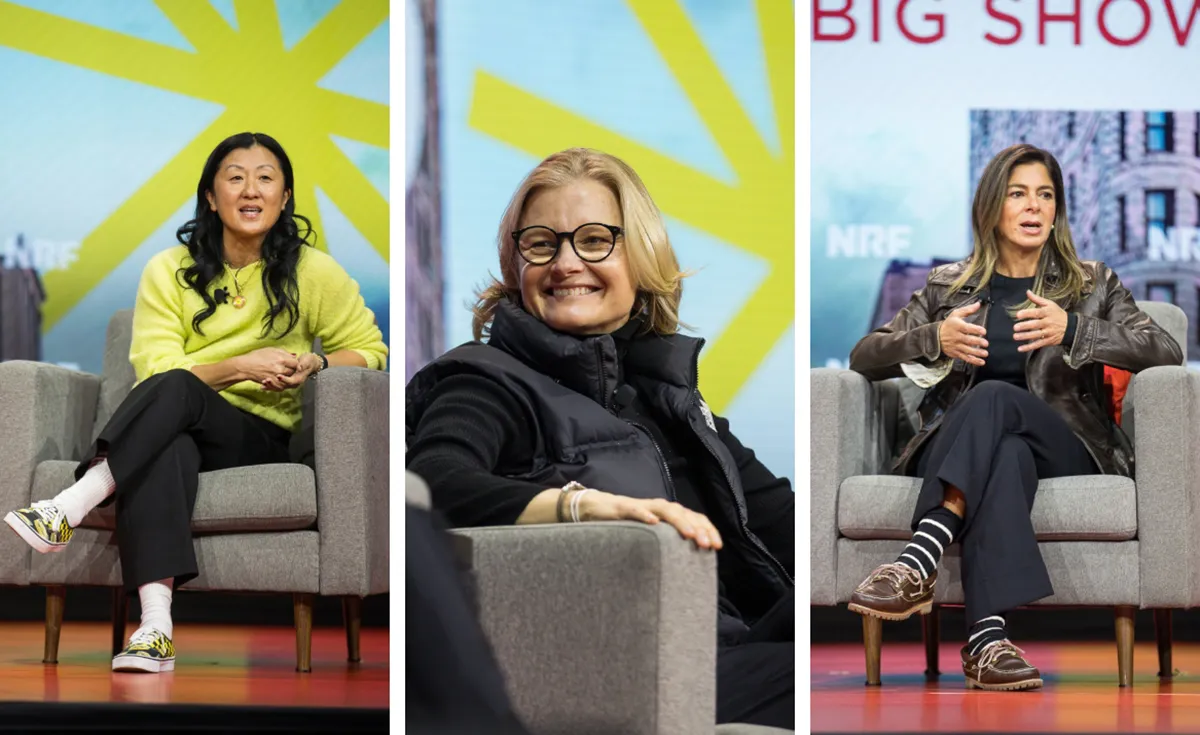
Sessions from Timberland, The North Face, and Vans reinforced how deeply consumer and product focus shape long-term relevance.
Each brand approaches this differently. Timberland emphasized cultural relevance and in-store creativity. The North Face spoke about serving both extreme and everyday use cases without diluting brand integrity. Vans highlighted brand elasticity, product detail, and customization as drivers of connection.
Across these examples, a common pattern emerged. The strongest brands stay close to the product, understand how consumers engage with it, and design their operations to support that focus rather than distract from it.
AI Is Becoming Part of Daily Work
AI was present across the show, but the most practical conversations focused on how it supports everyday work.
Leaders described AI as a layer that helps teams move faster by processing information, surfacing relevant context, and reducing manual effort across planning and merchandising workflows. The value shows up in speed, consistency, and decision support, particularly when teams are managing large assortments and multiple seasons at once.
What stood out was how often AI was discussed in relation to existing processes, not as a separate initiative. Its effectiveness depends on how well it integrates into the tools and workflows teams already rely on.
Execution Remains a Team Sport
Despite advances in automation and intelligence, people remain central to execution.
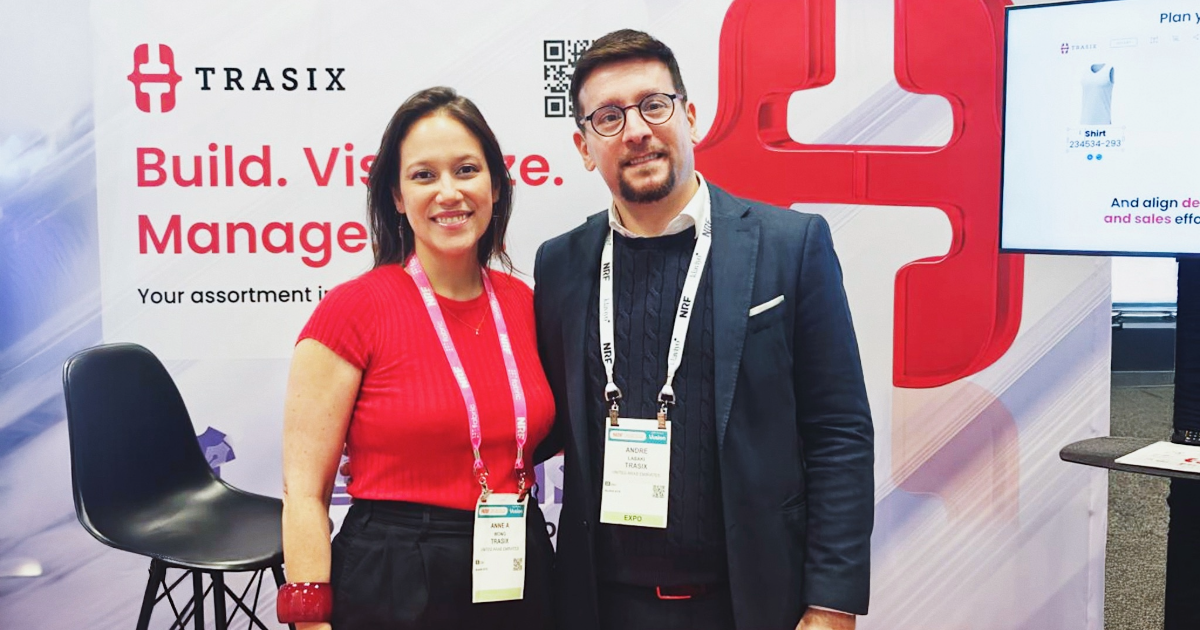
Some of the most meaningful moments at NRF happened outside formal sessions, reconnecting with partners, collaborators, and teams who have worked together remotely for years. Alignment, shared context, and trust continue to matter, especially in global organizations where decisions ripple quickly across markets.
Technology can accelerate insight and coordination, but execution still depends on teams working from the same information and priorities.

What This Signals Going Forward
NRF 2026 highlighted several signals shaping how retail and fashion organizations are evolving:
- Operational connection is becoming a priority as complexity grows
- Data matters most when it supports timely, confident decisions
- AI is increasingly embedded into daily workflows
- Human judgment remains essential for prioritization and execution
- Platforms that connect workflows are replacing fragmented approaches
These themes closely align with what we see across Trasix customers every day: the need for connected, visual, and intelligent go-to-market workflows that support teams from early planning through sell-in.
The direction is becoming clearer. Progress is being driven by how effectively organizations translate insight into execution across the full product lifecycle.