SF Tech Week and RetailClub: Five Observations on the Future of Fashion Retail
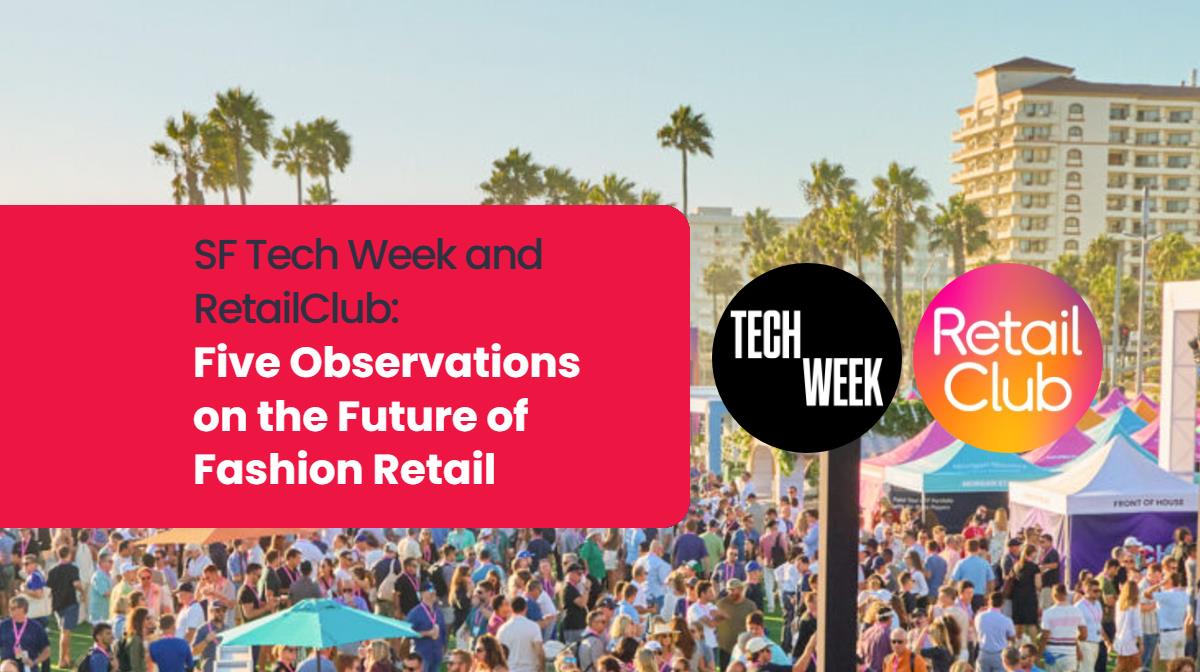
The future of retail was the focus of two recent gatherings: Gap Inc.’s Reinventing the Future presentation during SF Tech Week, and RetailClub’s AI Festival in Huntington Beach.
Although the events approached the industry from different perspectives, several themes kept coming up. Customer expectations are changing, brands are working harder to differentiate themselves, and retail teams are navigating new technologies alongside the operational demands of each season.
I came away with five observations that I think are particularly relevant to fashion and footwear brands.
1. Customers will expect to find products on their own terms
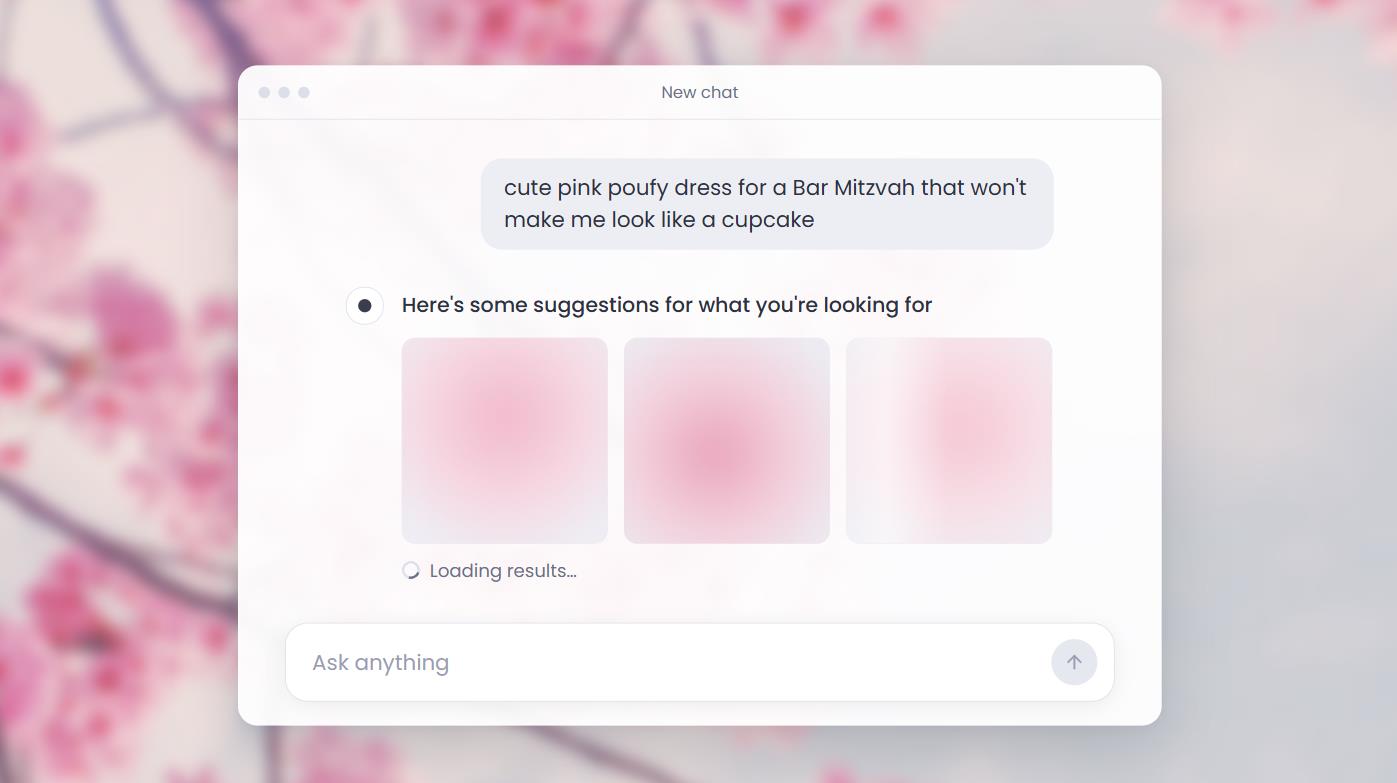
At SF Tech Week, Julie Bornstein of Daydream discussed the shift toward conversational, occasion-based shopping. Rather than searching for a product using a few keywords, customers will increasingly describe what they want in natural language, including all the details that matter to them.
Imagine searching for “a suit for a summer wedding in Spain” instead of “lightweight linen suit.”
Or adding a little more personality: “a dress that makes me look cute but not a cupcake” versus “a dress that makes me look as cute as a cupcake.”
This is where personal preference and nuance come in. Alta explored how personalization could make shopping more relevant to individual tastes, using information such as your current closet and the trend scores you provide. It can recommend outfits based on weather and occasion, and its recommendations can be shared between users.
For fashion brands, the challenge will be showing up for these different occasions, preferences, and queries. Accurate product attributes, descriptions, and imagery will become increasingly important in helping customers discover the right products. But discoverability is only the first step. Once a product makes the shortlist, brands still need to give consumers a reason to choose them.
2. Differentiation will require a clear point of view
Speakers at the Gap event highlighted the importance of quality, trust, and price in helping brands stand out. Rocket’s Jonathan Mildenhall raised a related concern: as brands gain access to similar tools and information, they risk following the same playbook. He called it the “sea of sameness” (which I have since added to my vocabulary).
I think this is particularly relevant in fashion. The tools available to teams may be similar, but a distinctive collection still depends on the choices behind it: product selection, creative direction, and a clear understanding of the customer.
Consider how this plays out for consumers. Imagine searching for a lightweight red sweater for autumn in New York and getting 10+ results with nearly identical images. Search and AI make it easier to find products that look alike. So how do you stand out from the $9.99 item over there?
Megan Zapala emphasized the importance of product quality and consistently delivering on the brand promise. That matters even more when products look interchangeable. Consumers need a reason to recognize, trust, and choose one brand over another. And a great exchange policy doesn’t hurt!
Data can help teams evaluate their options, but it can’t replace the product knowledge and judgment needed to build an assortment that reflects a brand’s identity. The opportunity is to use those tools to make better product decisions, create meaningful differentiation, and deliver on that promise to the consumer.
3. Technology works best when the workflow is understood
One of the main takeaways from RetailClub’s AI Festival was that you can’t use AI to fix a problem you don’t fully understand. Before introducing new technology, do the homework. Understand the existing process, where it breaks down, and why. Otherwise, you risk automating a bad process rather than improving it.
Sahal Laher shared a thoughtful approach to innovation: Crawl. Walk. Run. Start with a focused use case, encourage experimentation, learn from successes and failures, and scale what works. Finding the right sponsors is also important. They can champion the effort, remove roadblocks, and connect the experiment to broader business objectives.
As Sahal put it, “freedom within a framework.” Teams need enough structure to stay focused and measure results, but enough flexibility to explore different approaches and learn along the way. You don’t need to boil the ocean to make meaningful progress.
There’s also a human element to consider. AI can help teams process information, surface options, and take repetitive work off their plates, but it doesn’t replace the experience, context, and judgment people bring to their decisions.
This is particularly relevant in fashion, where product information, assortment reviews, catalog creation, and execution across markets and accounts are all interconnected. Improving one step in isolation can simply create more work for the next team. A successful pilot should be measured not only by the time saved on a single task, but also by whether it improves the broader workflow and produces results that can be replicated elsewhere.
4. Leading through change means bringing people along
Change management is leadership in 2027.
Leaders are navigating new technology, AI, shifting consumer expectations, and ongoing supply chain disruptions. At the same time, teams are expected to learn and adopt AI, experiment with new ways of working, and teach others, all while delivering on the year’s business goals. The business doesn’t pause while the way we work changes.
Adoption takes time. People need room to understand new technology, test where it adds value, and build confidence in using it. That learning curve is part of the investment, not a distraction from it. Expecting teams to absorb every new initiative on top of existing responsibilities can undermine both adoption and business performance.
In fashion and retail, seasonal deadlines aren't moving. Products still need to be developed, assortments finalized, and sales commitments met. Leaders have to balance the need to evolve with the operational realities of the business, making deliberate choices about priorities, capacity, and where change will have the greatest impact.
Ultimately, leadership means creating the conditions for teams to adapt without losing their ability to deliver. That requires clear direction, honest communication, and a willingness to stay close to the people navigating the change. Leaders can't eliminate uncertainty, but they can make room for people to learn, adjust priorities, and get the support they need. In 2027, bringing people along isn't separate from leading the business. It's part of the job.
5. The conversations outside the presentations matter too
Some of the most valuable insights come from hearing how people across retail, technology, commerce, and brand strategy approach the same challenges from different perspectives.
Both events brought together conversations about customer experience, differentiation, creativity, technology, and change. Those topics are often discussed separately, but in practice, they are closely connected. Decisions about the product affect how it is discovered and sold. Technology changes how teams work. And the success of both depends on people and processes working together.
For me, that cross-industry perspective is one of the biggest benefits of attending events like these. It helps connect the dots and ask better questions about where businesses should focus their attention.
What I'm taking back to Trasix
Across both events, I was reminded of how much the customer-facing retail experience depends on the work happening behind the scenes.
As shopping habits evolve and brands explore new ways of working, product teams still need reliable information, connected workflows, and the ability to make informed decisions across each season.
That’s the work Trasix supports. Our platform connects product data with the workflows fashion and footwear brands use to plan assortments, prepare catalogs, and coordinate go-to-market execution.
New capabilities create real opportunities, but their value depends on how well they fit into the day-to-day reality of a retail business. Better discovery, stronger differentiation, and more effective adoption all rely on the decisions and execution happening behind the scenes.
Thank you to the teams at RetailClub and Gap Inc. for bringing these conversations together, and to everyone who shared their experiences and perspectives.
I'm looking forward to continuing the discussion. If you'd like to learn more about what Trasix does, click here to request a demo.